Planning a trip to the Taj Mahal? You’re not alone. Every year, millions of travellers from around the world visit this iconic monument to witness its breathtaking beauty and learn about its fascinating history. However, many first-time visitors have dozens of questions before they arrive. They often wonder about tickets, timings, photography rules, dress codes, transportation, and the best time to visit.
Fortunately, planning your visit becomes much easier when you know what to expect. This detailed guide answers 50 of the most frequently asked questions about the Taj Mahal. Whether you’re travelling from India or overseas, these expert answers will help you avoid common mistakes, save valuable time, and enjoy a memorable experience.
1. Where is the Taj Mahal located?
The Taj Mahal stands in Agra, Uttar Pradesh, on the peaceful banks of the Yamuna River. Since Agra is about 230 kilometres from Delhi, visitors can easily reach it by train, car, or guided tour.
2. Why was the Taj Mahal built?
Mughal Emperor Shah Jahan built the Taj Mahal in memory of his beloved wife, Mumtaz Mahal, after her death in 1631. As a result, the monument became one of history’s greatest symbols of eternal love.
3. Is the Taj Mahal one of the Seven Wonders of the World?
Yes. The Taj Mahal proudly holds a place among the New Seven Wonders of the World. In addition, UNESCO recognises it as a World Heritage Site because of its outstanding architecture and cultural importance.
4. When is the Taj Mahal open?
The monument opens about 30 minutes before sunrise and closes 30 minutes before sunset every day except Friday. Therefore, visitors should check the sunrise and sunset times before planning their trip.
5. Why is the Taj Mahal closed on Fridays?
The mosque inside the Taj Mahal complex hosts Friday prayers. Consequently, only worshippers may enter the complex on Fridays, while regular sightseeing remains unavailable.
6. How much does a Taj Mahal ticket cost?
Ticket prices vary according to nationality. Indian citizens, foreign tourists, and visitors from SAARC or BIMSTEC countries pay different rates. Furthermore, anyone who wishes to enter the main mausoleum must purchase an additional ticket.
7. Can I book tickets online?
Yes, and you should. Online booking helps you avoid long queues, especially during weekends and holidays. Moreover, it saves valuable sightseeing time once you arrive.
8. Do children need tickets?
Young children usually enter free, while older children may require a ticket according to the latest government rules. Therefore, check the current age policy before travelling.
9. Which entrance gate should I use?
The Taj Mahal has three main entrances:
- East Gate
- West Gate
- South Gate
Most visitors prefer the East Gate because it usually has shorter queues during sunrise. Meanwhile, domestic travellers often use the West Gate.
10. How much time should I spend at the Taj Mahal?
Most travellers spend between two and three hours exploring the monument. However, photographers and history enthusiasts often stay longer because every corner offers something unique.
11. What is the best time of day to visit?
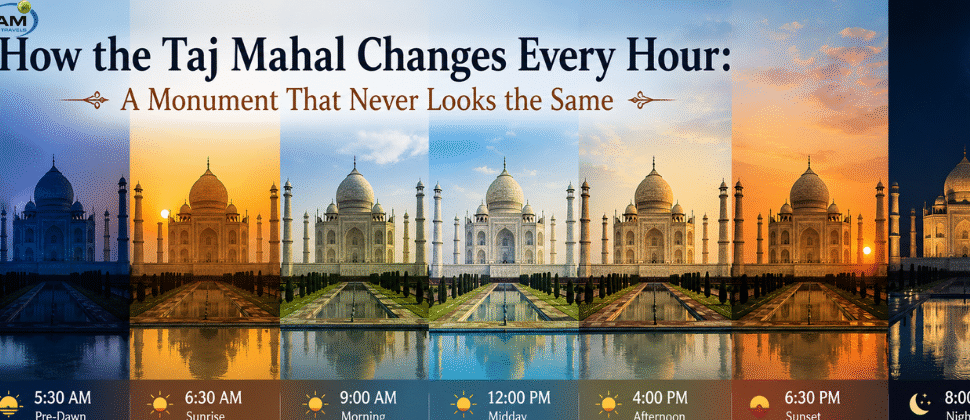
Without a doubt, sunrise offers the best experience. At that time, the weather remains pleasant, the crowds stay smaller, and the marble reflects beautiful shades of pink, gold, and white.
12. Which season is best?
October to March is generally the best period for visiting the Taj Mahal. During these months, the weather stays comfortable for sightseeing, photography, and walking through the gardens.
13. Is sunrise really worth waking up for?
Absolutely.
As the first rays of sunlight touch the marble, the monument slowly changes colour. Consequently, photographers consider sunrise the most magical time of the day.
14. Is sunset also beautiful?
Yes. Although evenings usually attract larger crowds, the warm golden light creates stunning photographs. Therefore, sunset remains another popular visiting time.
15. Can I visit during summer?
Yes, you can. However, Agra experiences extremely hot weather between April and June. Therefore, wear light cotton clothes, drink plenty of water, and visit early in the morning whenever possible.
16. Is the Taj Mahal crowded?
Yes. Since the Taj Mahal welcomes millions of visitors every year, weekends, school holidays, and winter months usually become very busy. Therefore, arrive early if you prefer a quieter experience.
17. Can I visit during the monsoon?
Yes. In fact, many travellers enjoy visiting during the rainy season because the gardens look greener and the crowds become smaller. Nevertheless, keep an umbrella handy in case of sudden showers.
18. Can I visit at night?
Yes, but only on selected nights around the full moon. Visitors must book special night-viewing tickets in advance because availability is limited.
19. Can I leave and enter again with the same ticket?
No. Once you exit the monument, your ticket becomes invalid for re-entry. Therefore, make sure you have finished exploring before leaving.
20. Can I bring my camera?
Yes. Visitors may carry digital cameras and smartphones for personal photography. As a result, you can capture memorable moments throughout your visit.
21. Are drones allowed?
No. Authorities strictly prohibit drones because the Taj Mahal is a protected heritage monument and a high-security zone. Therefore, leave your drone at your hotel.
22. Can I use a tripod?
No. Security officials generally do not allow tripods inside the complex. However, professional photographers may obtain special permission for commercial projects.
23. Can I record videos?
Yes. Visitors may record personal videos in outdoor areas using mobile phones or handheld cameras. However, commercial filming requires official permission.
24. Can I take photographs inside the mausoleum?
No. Photography inside the main marble mausoleum is not allowed. This rule helps protect the monument and preserves its peaceful atmosphere.
25. Where are the best photography spots?
The Taj Mahal offers several incredible viewpoints. Some of the best include:
- The Main Entrance Arch
- The Reflecting Pool
- Diana Bench
- The Marble Platform
- Mehtab Bagh
- The Mosque Courtyard
- The Eastern Garden Walkway
Each location provides a different perspective, so explore them all if time allows.
26. Is there a dress code?
No official dress code exists. However, visitors should wear modest, comfortable clothing that suits the weather. In addition, comfortable walking shoes make exploring much easier.
27. What items are not allowed?
Security officers carefully inspect all bags before entry. Therefore, avoid carrying:
- Drones
- Large backpacks
- Tobacco products
- Cigarettes
- Lighters
- Alcohol
- Sharp objects
- Large food containers
- Tripods
- Portable speakers
Packing light will help you pass through security more quickly.
28. Can I carry drinking water?
Yes. Visitors may bring a small water bottle. During summer, staying hydrated becomes especially important because temperatures can rise above 40°C.
29. Can I carry food inside?
Large meals and picnic items are not permitted. However, parents travelling with small children may carry light snacks when necessary.
30. Is luggage storage available?
Yes. Cloakroom facilities near the entrance allow visitors to store prohibited or oversized items safely. Consequently, you don’t need to leave valuable belongings elsewhere.
31. Are wheelchairs available?
Yes. The Taj Mahal provides wheelchairs for elderly visitors and guests with mobility challenges. Furthermore, most pathways remain accessible throughout the complex.
32. Is the Taj Mahal suitable for senior citizens?
Yes. Many senior travellers comfortably explore the monument every day. Moreover, battery-operated vehicles help reduce walking between the parking area and the entrance.
33. Is it safe for solo travellers?
Yes. The Taj Mahal maintains strong security throughout the complex. In addition, tourist police, CCTV cameras, and trained security staff help create a safe environment for both domestic and international visitors.
34. Should I hire a licensed guide?
Yes, especially if you enjoy history and architecture. A licensed guide explains fascinating stories, hidden details, and historical facts that many visitors never notice. As a result, your visit becomes far more meaningful.
35. How much does a licensed guide cost?
Guide fees depend on the language, group size, and tour duration. Therefore, always agree on the price before starting your tour and choose a government-approved guide whenever possible.
36. Are audio guides available?
Yes. Audio guides support several languages and allow visitors to explore at their own pace. Consequently, they offer an excellent alternative if you prefer a self-guided experience.
37. Can I visit without a guide?
Absolutely. Many travellers enjoy exploring independently. However, a knowledgeable guide often helps visitors understand the monument’s deeper history and symbolism.
38. How do I travel from Delhi?
Travellers can reach Agra by:
- Gatimaan Express
- Vande Bharat Express
- Superfast trains
- Private taxi
- Yamuna Expressway
- Luxury coach tours
- Same-day guided tours
Depending on your choice of transport, the journey usually takes between 2.5 and 4 hours.
39. Which railway station is closest?
Agra Cantt Railway Station serves as the city’s main station and lies about six kilometres from the Taj Mahal. Alternatively, some trains stop at Agra Fort Railway Station, which is also nearby.
40. Where should I stay in Agra?
Agra offers accommodation for every budget. Visitors can choose from luxury hotels, heritage properties, boutique hotels, family-friendly stays, budget guesthouses, and backpacker hostels. Additionally, several hotels provide beautiful rooftop views of the Taj Mahal.
41. What other attractions should I visit?
Besides the Taj Mahal, Agra offers many fascinating places to explore. For example, you can visit Agra Fort, Mehtab Bagh, Itmad-ud-Daulah (Baby Taj), Akbar’s Tomb, Fatehpur Sikri, Kinari Bazaar, and Sadar Bazaar.
42. Can I see the Taj Mahal and Agra Fort in one day?
Yes. In fact, many travellers combine both attractions in a single itinerary. If you start early, you can also include Mehtab Bagh or the Baby Taj before the day ends.
43. Is shopping near the Taj Mahal worth it?
Definitely. Agra is famous for marble inlay work, leather goods, carpets, handicrafts, brass items, and the popular sweet known as Petha. However, purchase souvenirs from trusted shops to ensure quality.
44. What local food should I try?
Food lovers should not miss Mughlai dishes, Bedai with Jalebi, Petha, Dalmoth, kebabs, and authentic North Indian thalis. Fortunately, Agra also offers many international dining options.
45. Can I use my credit card?
Yes. Most hotels, restaurants, and major shops accept credit and debit cards. Nevertheless, carrying some cash remains helpful for small purchases and local transport.
46. Is the Taj Mahal accessible for people with disabilities?
Yes. Wide pathways, wheelchair access, and visitor assistance make the monument accessible for many travellers with mobility needs.
47. What mistakes do first-time visitors make?
Many first-time visitors make simple planning mistakes. For instance, they arrive late, visit on Friday, forget valid identification, carry prohibited items, skip online ticket booking, ignore the weather forecast, or rush through the monument without exploring nearby attractions.
48. Is one visit enough?
Many visitors return because the Taj Mahal looks completely different throughout the year. For example, sunrise, sunset, winter fog, and full-moon nights each create a unique atmosphere.
49. Why does the Taj Mahal change colour?
The white Makrana marble reflects sunlight differently throughout the day. As a result, the monument appears pink during sunrise, bright white in daylight, golden at sunset, and silver under the moonlight.
50. What is the best advice before visiting the Taj Mahal?
Plan your visit carefully, book tickets online, arrive early, carry only essential items, wear comfortable shoes, stay hydrated, and hire a licensed guide if you want a deeper understanding of the monument. Above all, take your time and enjoy every moment instead of rushing through one of the world’s greatest architectural masterpieces.
Final Thoughts
The Taj Mahal offers much more than a beautiful photograph. It tells a timeless story of love, craftsmanship, and Mughal history that continues to inspire millions of travellers every year. Therefore, preparing in advance will help you avoid common mistakes, save valuable time, and enjoy a smoother experience.
Whether you visit at sunrise, admire the intricate marble inlay work, or explore nearby attractions like Agra Fort and Mehtab Bagh, every moment adds something special to your journey. By using this guide to answer the 50 most common questions before your trip, you can focus less on planning and more on creating unforgettable memories at one of the world’s most iconic landmarks.